Navigating the Uranus Mid-Life Transit
Astrology is an ancient art in which a chart, or horoscope, is set up to capture a moment in time from a celestial perspective – the birth of a person, an event, or even a project. In simple terms, this horoscope works like a map. You can explore a foreign country without one, and find all manner of exciting things just by wandering – but how much more there is to discover with a map in hand. The mountain ranges are marked, the main roads, the big cities, the deserts, forests and wilderness. A map isn’t the country itself, but our understanding of the country is hugely enhanced once we have one and know how to read it.
This map – the map of the heavens – has been in my hand for the past thirty years, as I’ve tracked the passage of the stars through my own natal chart, and through the charts of others. I’ve seen battles won and battles lost; relationships founded, and others that have foundered. I’ve seen children dreamed into being, careers take flight, life blossoming, and life falling away into dust.
I am a watcher, a recorder, an interpreter, offering guidance to those who seek the wisdom of the stars. People come to me hoping this ancient craft will illuminate their uncertainty; they arrive carrying their uncertainty, hovering at a crossroads, shivering slightly, with things apparently crumbling randomly around them. On closer inspection, this situation is often the result of a significant life event in planetary terms – a transit of one of the outer planets.
The Pressure Cooker
The three outer planets – Uranus, Neptune, and Pluto move slowly, taking years to travel the circle of our natal charts. Of the three, only Uranus, the fastest, completes a full cycle within a lifetime, if we’re lucky: 84 years for one revolution of the heavens. Most of us become familiar with Uranus’s action around the age of 42, when it opposes its own natal position – the phase of life we’ve come to know as the “mid-life crisis.” Mid-lifers are my most frequent clients. They arrive bewildered and rather lost, often turning to me in desperation, trying to understand why their relationships, careers, or health suddenly seem to be in meltdown – forced, at last, to listen to the cry for freedom that has been clamouring from within.
The Collapse
The Uranus mid-life transit can be devastating, especially if we’ve been denying the urgent calls for change that have been prodding at our subconscious. It can happen in the blink of an eye – one morning we wake up to find, unbeknownst to us, that we’re in bed with a major Uranus transit. The pressure has suddenly become overwhelming. We feel suffocated. We need to escape from our lives, now.
What had seemed perfectly acceptable as we plodded along – pretty much fine with what we were doing – now seems utterly ludicrous. We look in the mirror and barely recognise ourselves. Where did we go? Who is that? Where is the life we wanted? We realise, with a jolt, that we’re being left behind. We need to break out, set ourselves free, get some fresh air, and get away from the mess we’ve found ourselves in. Suddenly, painful revelations cascade upon us as we grab our keys and wallet and make a break for freedom, leaving everything else behind.
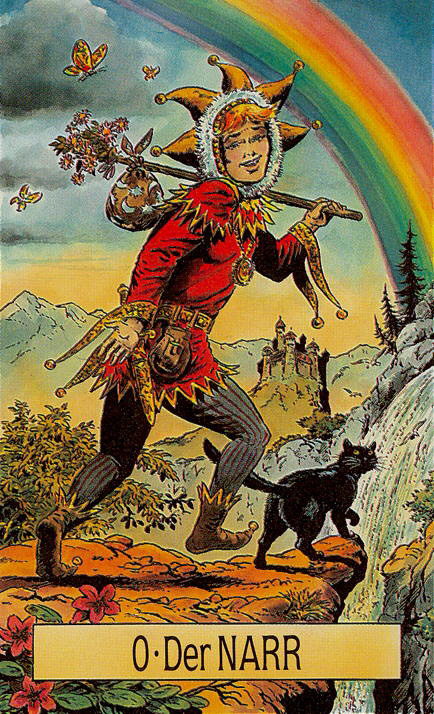
If change has been resisted in any area of life, Uranus is the one who comes to sort it all out. He sets the cat among the pigeons, and ensures life takes off like a rocket with the devil at its heels.
In the beginning, it all seems good. We swagger about, telling everyone how we’re getting our lives sorted out. Plans multiply; few of them will ever come to fruition. We might buy a whole new wardrobe, find a new partner, or feel ten years younger. We don’t read the small print.
And then it all starts to catch up with us. Outer changes are easy to make – but in the heat of the moment, in the excitement of new relationships, we often forget to lay any foundations. Uranus loves demolishing things; then he likes to move on, leaving a pile of rubble, a sore head, and no building plans. Uranus is not an architect. He’s the demolition squad.
The Rebuild
The second phase of the Uranus transit process usually calls in help from Saturn – Uranus’s son, who inherited his mother Gaia’s common sense – to begin restoring some order to a shattered life. Uranus’s role is to force through work that might otherwise have been avoided forever: making necessary changes, breaking free of limiting restrictions, embracing the shock of the new.
This rebuilding phase takes far longer than the first, and after the exhilaration of what came before, it can feel painfully slow and tedious by comparison. We may find ourselves repeating – once, or several times – the very patterns that led us here, as we’re challenged to search further and further afield for the true gold hidden in these experiences. The mid-life Uranus opposition is, in fact, one of the most important experiences of a life; the restlessness and questioning it brings tend to run in direct proportion to how much action we’ve already taken to claim our own destiny.
The more proactive among us might, at this stage, look back on past achievements with quiet satisfaction before moving on to fresher pastures – often marked by a return to education, learning new skills to carry us through the next twenty-five years. But for those who have lived trying to please other people, or in placating an internal authority figure, rather than following their own instincts, this transit is likely to land as deeply disturbing. In this period of readjustment, it becomes important to make room for more spiritual values – the inner life is asking to be heard. Avoid the necessary changes, and life can start to feel meaningless; but equally, care is needed not to throw out the baby with the bathwater in a desperate bid for freedom.
Finding the Balance
The best outcome is a balanced one – positive change handled with consideration, where everyone involved benefits from the shift and the new sense of liberation it brings. This is where astrology offers its real gift, helping to map out the whole process in advance, including its timing, severity, and duration, illuminating the areas of life most likely to be affected.
Astrology can help us find our way out of circumstances that feel impossible, in a way that is both instructive and empowering. These periods can be difficult, even brutal – but astrology helps us see that what we’re left with, once the dust settles, is a brand-new set of tools for re-creating our lives. Forged in fire and tempered by our own pain, these are tools that will never let us down again. They are the stuff of life – the inscribers of legends – and their making will be remembered.


 www.joannakategrant.com
Leave a comment