Sign: Cancer | Sign Ruler: Moon | Decan Ruler: Moon Element: Water | Mode: Cardinal
The Moon rules both Cancer and this decan by face, giving her complete authority over the image. This produces one of the purest lunar expressions in the zodiac. Themes of protection, fluctuation, instinct, fertility, travel, and guardianship are strongly emphasised. Core Principle: Protection through instinct.
Liber Hermetis
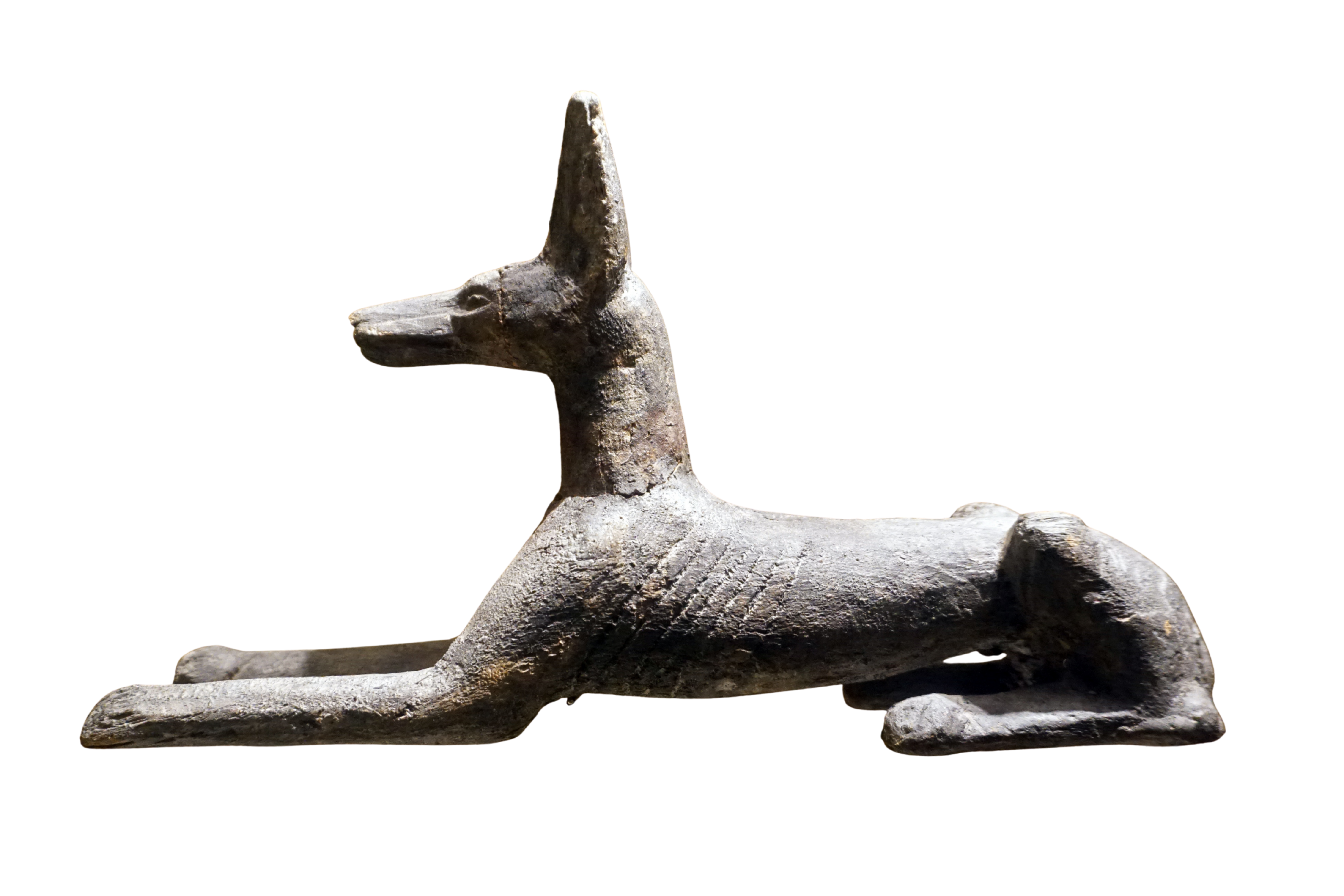
“The third decan of Cancer has the face of the Moon. Its name is Charmine. It causes affliction of the heart. In its representation it has two round heads the right. . . and the left one of Anubis, . . . namely with the waxen images of the Moon and Juno. In the middle between the two goddesses is a dragon having four heads. Two of its heads are held aloft and two are bent this way and that towards a pine [tree?].”
Picatrix–Ibn Ezra
“In the third face of Cancer ascends a turtle with a serpent in his hand and golden chains before him. This is the face of running, riding, and acquiring profit in war, disputes, and conflict. This is its form.”
This is the territory of Cancer III, where the Moon inhabits her own sign, in her own face, finding no moderating influence, no planetary guest to entertain. There is only herself, distilled into the purest expression of what she has always been, the guardian of life at its most vulnerable, the force that holds the boundary between what continues and what does not. Here we find the instinct to endure without ceasing, to keep watch, because what sleeps within the protected circle requires someone to remain awake.
The Golden Dawn assigns this decan to The Four of Cups, traditionally entitled Luxury. This title appears distant from the dragons, turtles, and serpents preserved by the ancient traditions, yet the apparent contradiction resolves when “luxury” is understood in its older sense, not as the indulgence of our more modern and affluent world, but as the security of a carefully protected life. The figure who presides here may be Hecate in her most ancient form, the triple guardian who watches in all directions simultaneously.
The Liber Hermetis tells of two divine heads flanking a four-headed dragon, waxen lunar images, and at the left the jackal-headed Anubis, the guardian of the Egyptian dead. The dog keeps watch without being asked, remaining loyal, and will not abandon its post regardless of what the night brings. Here we discover how our protective instinct continues when our loved one is lost to us, although the impulse to guard against harm continues. This is an exhausting dimension of grief where our guardianship does not know how to stand down. Hecate offers something to this confusion because she presides over both sides of the threshold simultaneously. Keeping watch over the living and the dead, she understands her role as the keeper of the crossing place, the boundary between worlds.
The Moon’s strength here produces something that sits awake through the night watching over what it loves, not because watchfulness is comfortable but because the alternative is unthinkable; she must ensure that what moves through the threshold between worlds does so in right order. Although the image from Ibn Ezra in the Picatrix is very different, the turtle moving with its serpent and its golden chains carries the same principle in a different register; armoured and slow, it has the endurance of a creature who cannot be hurried, carrying its own protection, moving through difficulty without being deflected from its direction. In the dark wisdom of this decan, we find that guardianship itself may be redirected, that the protective instinct which feels purposeless in the aftermath of loss is one of the most ancient and necessary forces in the world.
The Cancer sequence reaches its completion here, and the triple goddess who has moved through all three of its faces, from the disoriented love of Cancer I through the singing remembrance of Cancer II to the chthonic vigil of Cancer III, has been asking across all three decans the same question in three different registers: what does it mean to love what cannot be kept? The first decan felt the attachment form; the second learned to breathe the beloved’s name into the air where it might continue to exist; and the third stands at the threshold where the living world and whatever lies beyond it meet, keeping watch, holding the boundary not against passage, but for it, to ensure that what must cross does so with a guardian present. The long night of grief is not a wilderness but a kept place, watched over by the oldest lunar intelligence there is, one who has stood at this crossing since before she had a name, and will stand here long after the last of her names has been forgotten.
The Tarot of Grief
What the soul refuses to hold becomes the door you must walk through. What is buried, buries you, until you carry it home as light…..

Another brilliant concept from the Leu-Grant partnership

Hymns from the Labyrinth of Loss
The Thoth Journey Tarot
an oracle for change
Our choices reveal paths to the extraordinary, for out of curiosity comes creativity and from courage is born change……..follow the journey.


Leave a Reply