Category: Astrology
-

Libra I: The Mediator
The ancient images present twin, upright figures, standing on scorpions, holding water jugs from which fine pipes release their contents in a continous, regulated flow. The justice portrayed here, is an ongoing practice, a steady, measured distribution, maintained against disruptive forces. The scorpions beneath the feet are symbolic of the venomous reactive impulse standing beneath…
-
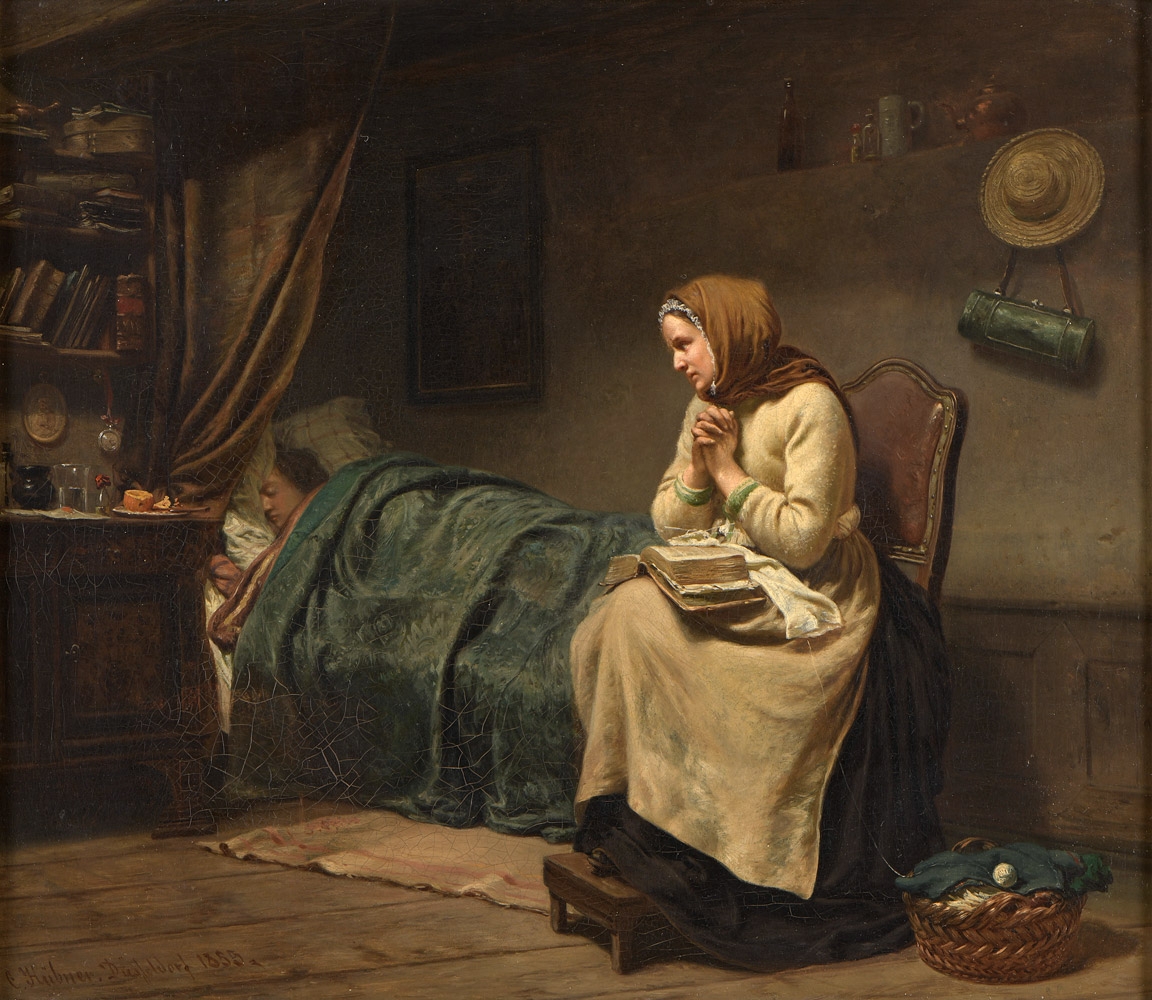
Virgo III: The Examiner
We praise this knowledge like a final benediction, the insight grief most needs and most resists, that what was essential in the one who is gone has already been released into the world. The Mercurial sorting of the permanent from the perishable reveals an indestructible residue that no gate of any underworld can finally confiscate.…
-
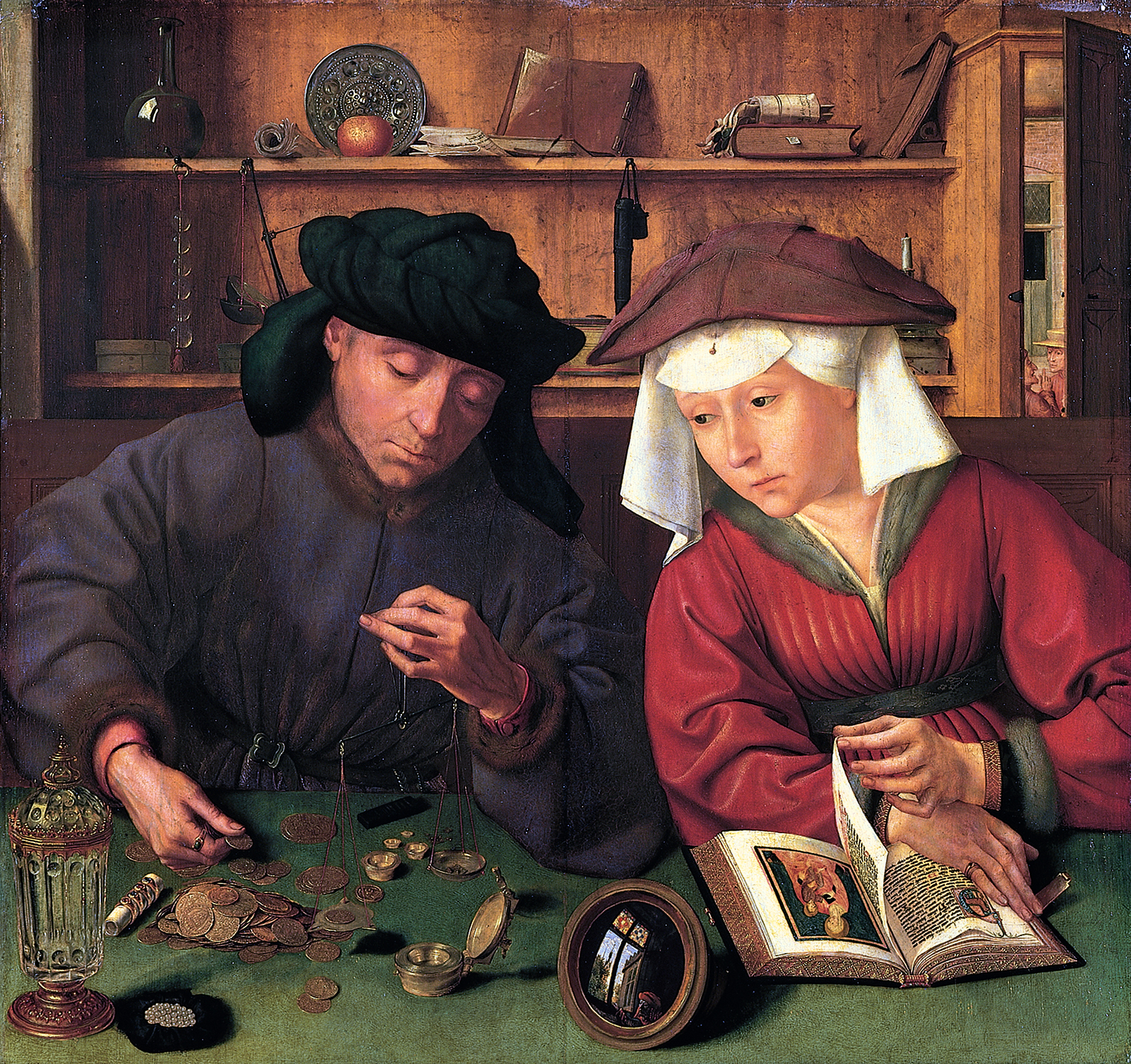
Virgo II: The Petitioner
Venus in fall in Virgo has lost access to her most reliable gift, the quality of being simply received, of attracting without having to argue, of moving toward what she loves with the confidence of one who has rarely been refused. What she finds in Mercury’s exacting realm, in the mutable atmosphere of Virgo’s middle…
-

The Sinking of the Ferry FILOJET
On 30 August 2026, the Cypriot high-speed passenger ferry FILOJET departed the port of Kyrenia (Girne) in northern Cyprus, bound for Taşucu on the southern coast of Turkey. AIS tracking places the vessel’s departure at approximately 11:58 a.m. local time, rather than the later 12:30 time initially reported in some news accounts; the chart below…
-
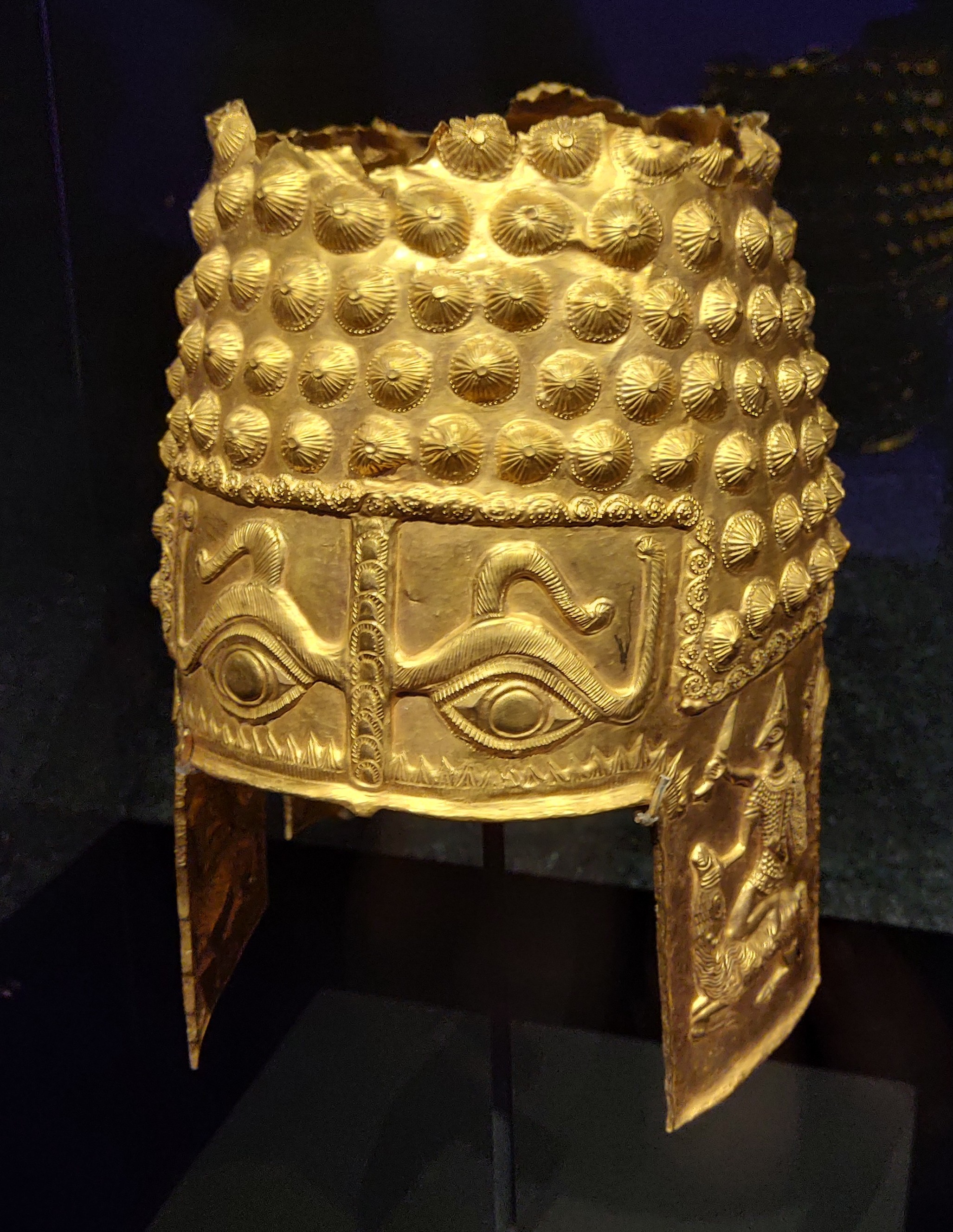
Mercury Under Cover & The Astrology of Stolen Treasure
Last week, on the eve of a near-total Lunar Eclipse, Mercury vanished into the Sun. Moving through Virgo, the planet entered combustion, rendering it invisible, burned out by a brilliance greater than its own. In traditional astrology, the state of combustion obscures agency. What the planet signifies becomes hard to see, overwhelmed rather than absent.…
-
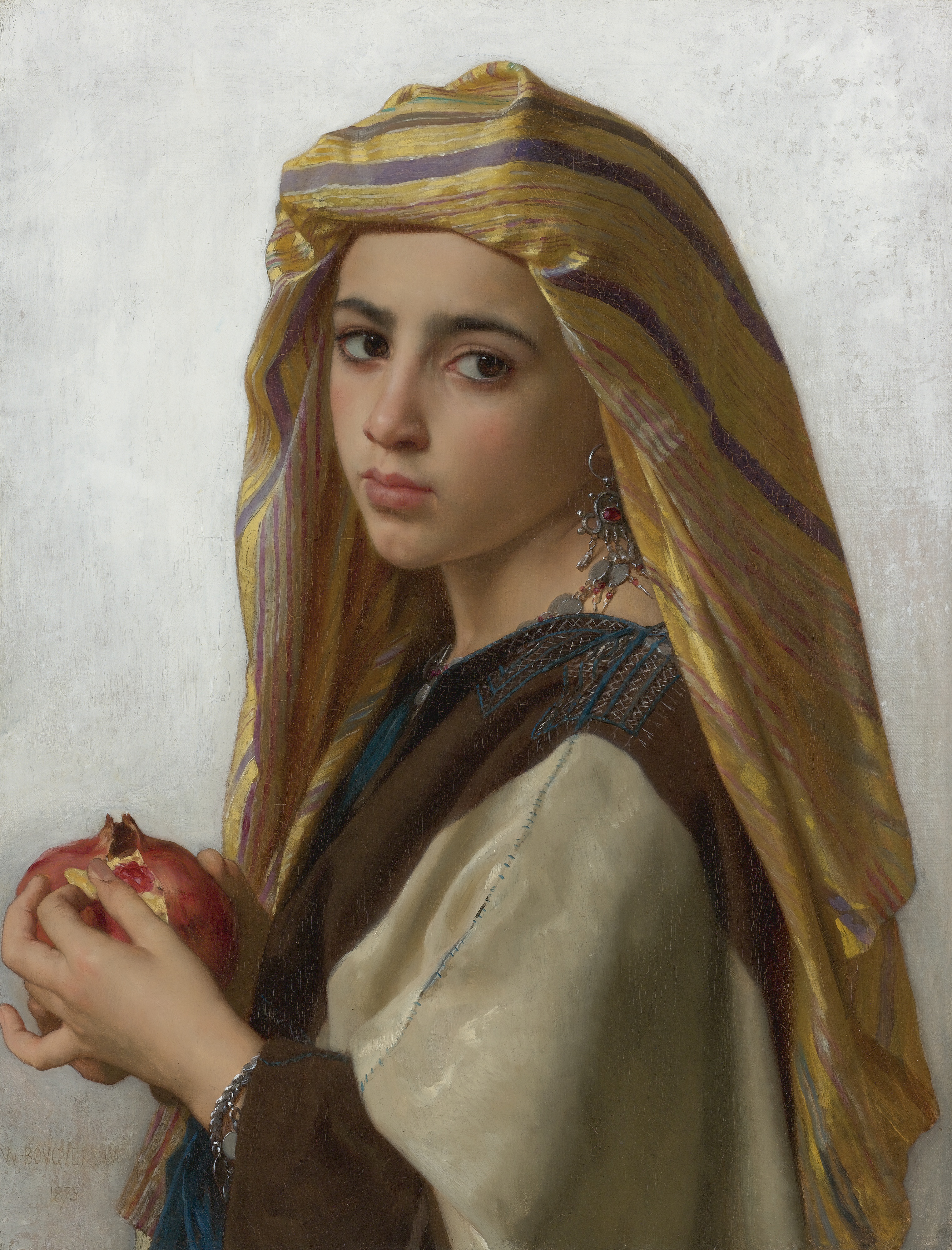
Virgo I: The Harvester
The First Decan of Virgo marks a profound transition in the zodiacal journey. Having passed through the fullness and generosity of Leo, consciousness now turns from an outward demonstration of vigour, towards stewardship. The question is no longer how life may be enjoyed, but how it may be tended so that its blessings endure.
-
Leo III: The Feast Lord
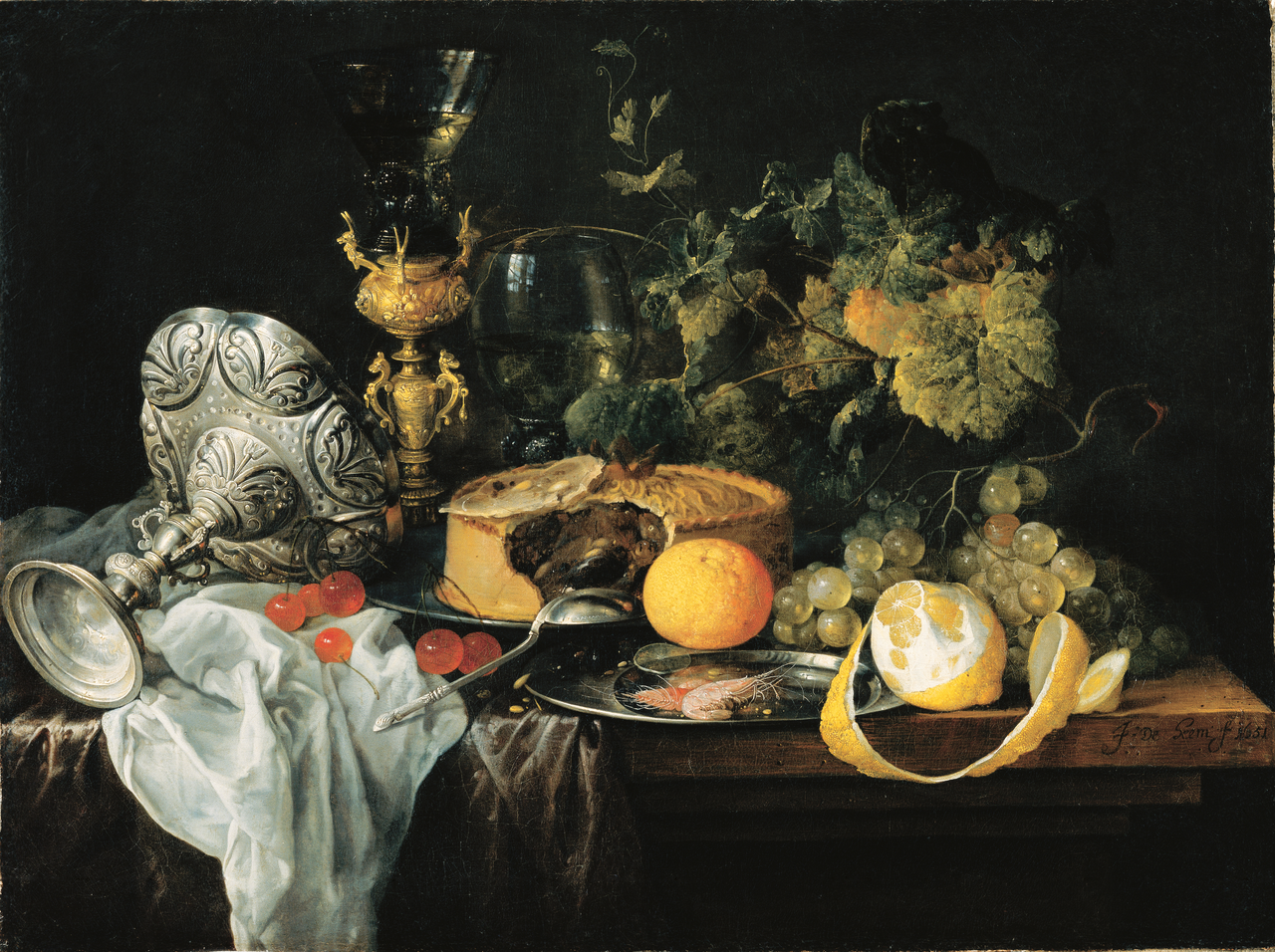
In the Epic of Gilgamesh, the king who went out into the wilderness in lion skins, who crossed the waters of death and asked the oldest question a grieving creature can ask- What survives? What endures? Where does the beloved go? Can the loss be undone?- returned to his city with that question unanswered in…
-
Leo II: The Noble Archer
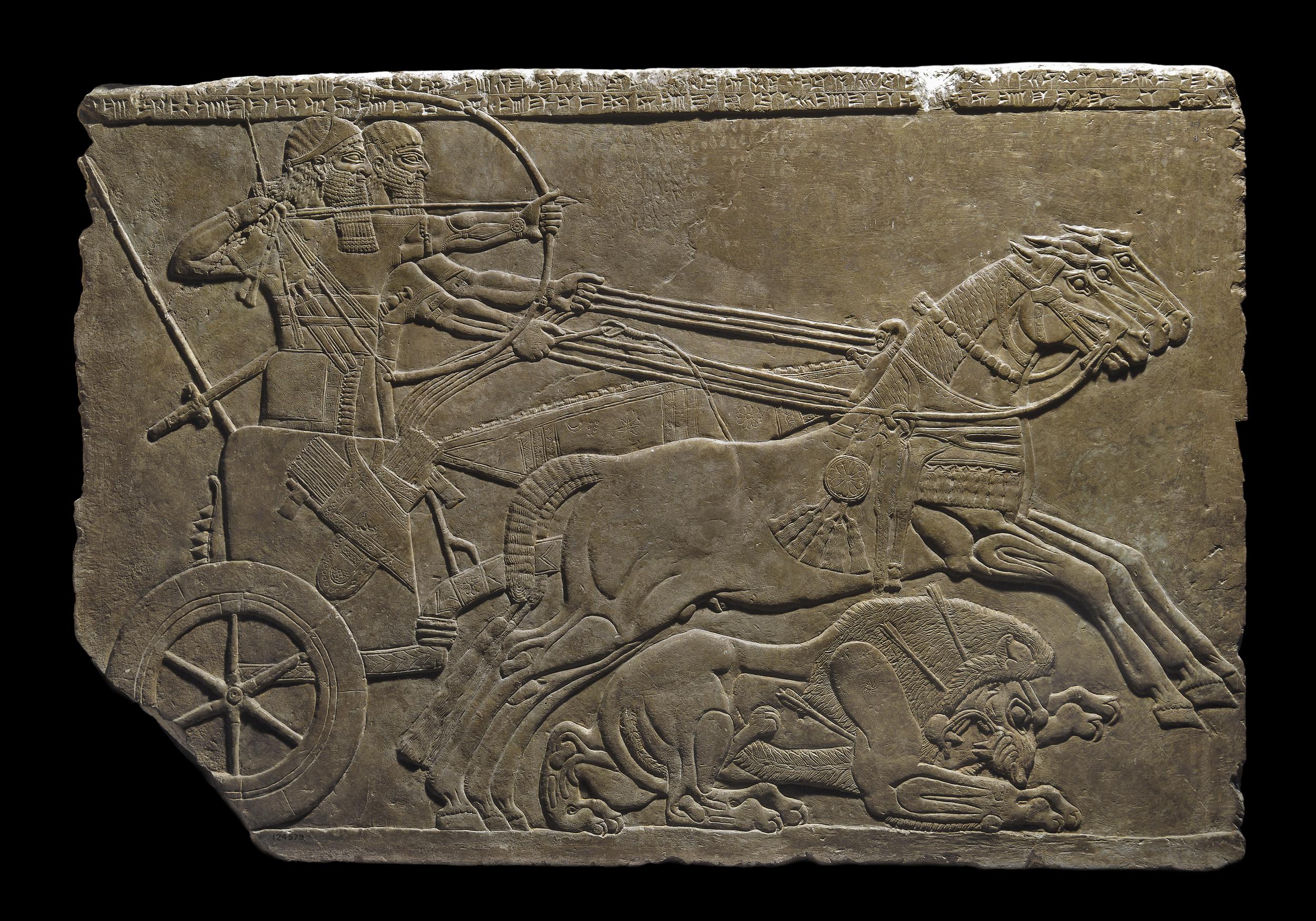
The unknown land this decan governs is not simply a geographical unknown but an existential one, beyond the boundary of what the traveller has previously understood about loss, about love, about the self that continues when what it most loved has gone. Jupiter’s enlarging influence within the Sun’s own kingdom does not promise that this…
-

Leave the Moon Alone!
The launch chart tells its own rather pointed little story, taking place on the day of Mars, in the hour of the Moon. The figure rises with 2 degrees of Scorpio, a sign, and a ruler, entirely fitting for a rocket, and also nodding vigorously to Mars rulership over falcons as a species; the whole…
-

When the Lights Go Dark-Eclipses and the Fate of Nations
Within the traditional doctrine of mundane astrology, eclipses occupy a position of exceptional importance, not because they are regarded as inherently destructive, but because they signify periods during which the ordinary order of nature is temporarily interrupted. Both Claudius Ptolemy and Abū Maʿshar regarded eclipses as celestial indicators whose effects are directed principally towards kingdoms,…