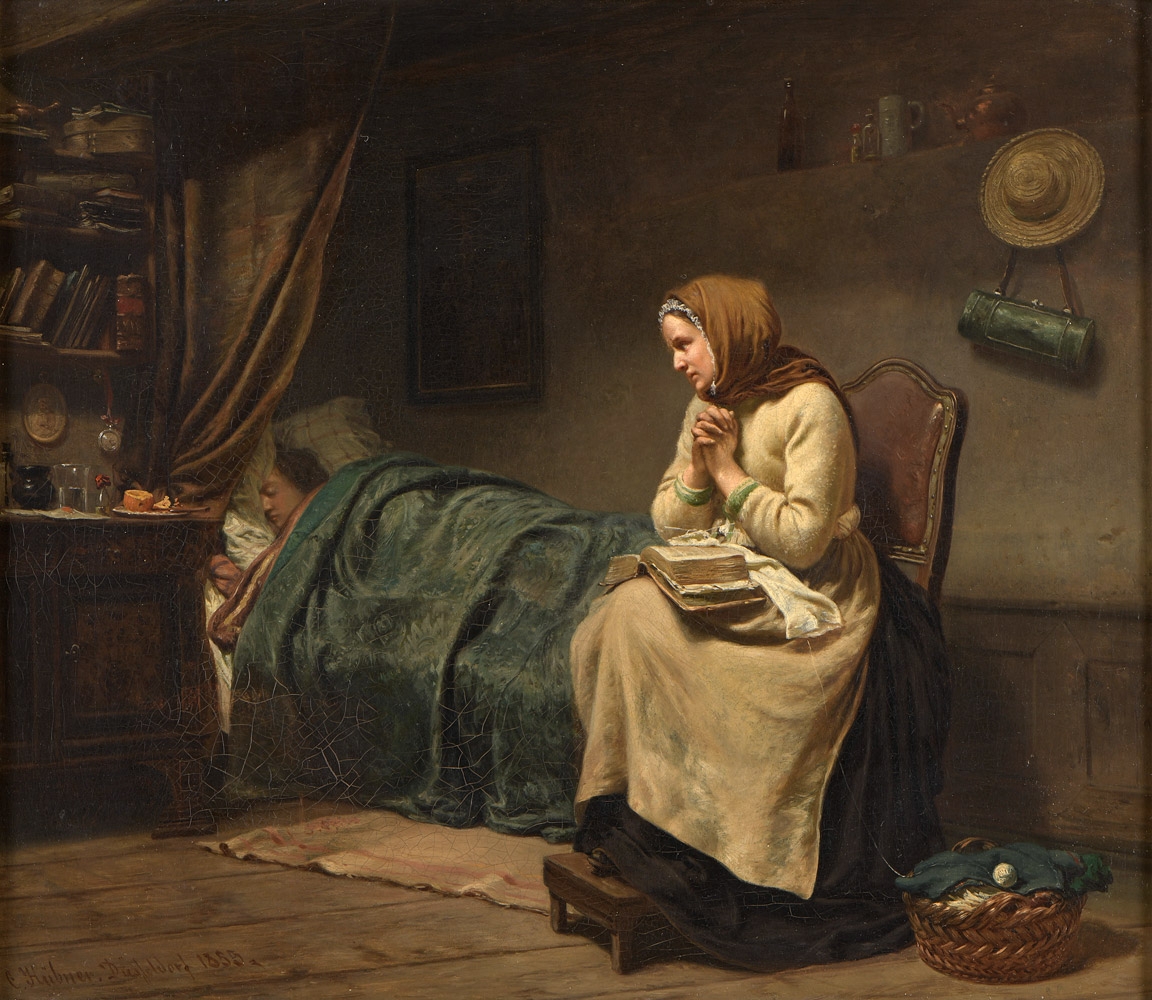
Sign: Virgo | Sign Ruler: Mercury | Decan Ruler: Mercury Element: Earth | Mode: Mutable Mercury rules Virgo by both domicile and exaltation and also rules this decan by face. This grants Mercury exceptional authority, making this one of the strongest Mercurial regions of the zodiac. Analysis, discernment, classification, observation, and practical judgment are emphasised. to their fullest extent. Core Principle: Discernment through observation.
Liber Hermetis
“The third decan of Virgo has the face of Mercury. Its name is Michudais. It has dominion over the spleen. It is like a mummy, its whole body is like one who has been buried.”
Picatrix
“In the third face of Virgo ascends a white man with a large body dressed in a white linen garment. With him there is a woman holding black oil in her hand. This is the face of weakness, old age, sickness, laziness, the cursing of body parts, and the destruction of people. This is its form.”
Arriving at the quiet, sober, unflinching attention of Mercury at his most complete authority, we come to the territory of Virgo III, where he rules by domicile, exaltation and face simultaneously. The analytical intelligence undiluted by any foreign planetary quality, is directed at last toward the honest assessment of what the body is, what it yields and the animating prescence contained within it, that cannot be entirely lost to us when the body is gone.
The oldest tradition places the figure of a mummy here, a body returned to stillness, wrapped in white linen. Carefully prepared, it refers to the relationship between what perishes and what does not. Attending, and performing the last acts of love and skill, stands a woman with black oil, representing a most Mercurial task, the careful sorting of the permanent from the temporary, the final and most precise act of life; her oil anointing the boundary between what the body was and the prescence it contained.
Mercury doubled in this final face turns without flinching toward the hardest of all analytical tasks, the accurate and unsentimental examination of what decline and mortality actually mean for the life the body’s ending cannot reach. The particular quality of a mind at work, the attention brought to the people and tasks and ideas that passed through it, the thoughts recorded, the skills transmitted, the changes made in other lives that continue making changes in lives those lives touch in turn; the long branching consequence of a single existence moving through the world with whatever degree of care and love it managed to sustain.
We praise this knowledge like a final benediction, the insight grief most needs and most resists, that what was essential in the one who is gone has already been released into the world. The Mercurial sorting of the permanent from the perishable reveals an indestructible residue that no gate of any underworld can finally confiscate. The way a particular mind worked, still working in the minds it shaped; the way a particular love was given, still present in everyone who received it and carried forward into their own giving; the name still breathed into the air by those who knew it and those who were told it by those who knew it, the second death receding with every speaking of it into a future the body could not have reached alone.
The shadow of this decan is Mercurial precision turned so completely toward cataloguing what is gone that it forgets to apply the same rigour to what remains; sore grief can list its losses with such thoroughness that what remains is rendered invisible. The woman with the black oil offers a the reminder to us that discernment is also the faculty which identifies what remains, that we are capable of finding in the record of a single life, enough indestructible material to sustain us through the entirety of what our grief requires from us, for what you leave in the world outlives the body that left it.
The Examiner stands at the threshold between loss and legacy. It asks us to look clearly at what has ended without forgetting what remains. Discernment becomes an act of preservation: what has died must be acknowledged, what has lost its usefulness may be released, and what still carries meaning can be consciously gathered and carried forward. Here grief begins the difficult transformation from absence into inheritance, where the essence of what remains becomes part of the enduring wealth of the soul.
The Thoth Journey Tarot
an oracle for change
Our choices reveal paths to the extraordinary, for out of curiosity comes creativity and from courage is born change……..follow the journey.

The Tarot of Grief
What the soul refuses to hold becomes the door you must walk through. What is buried, buries you, until you carry it home as light…..

Another brilliant concept from the Leu-Grant partnership

Hymns from the Labyrinth of Loss

Leave a Reply