Sign: Virgo | Sign Ruler: Mercury | Decan Ruler: Sun Element: Earth | Mode: Mutable
Mercury rules Virgo by domicile and exaltation, giving the sign its qualities of discernment, skill, analysis, and practical intelligence. The Sun rules this decan by face, bringing visibility, purpose, and vitality into Mercury’s ordered and productive realm. The result is a face associated with cultivation, harvest, and the careful management of natural abundance. Core Principle: Order applied to growth.
Liber Hermetis
“The first decan of Virgo has the face of the Sun. Its name is Zemesdres. It causes affliction of the belly. It is a serpent put together awry. Its head is in the likeness of the Moon.”
Picatrix (Ibn Ezra)
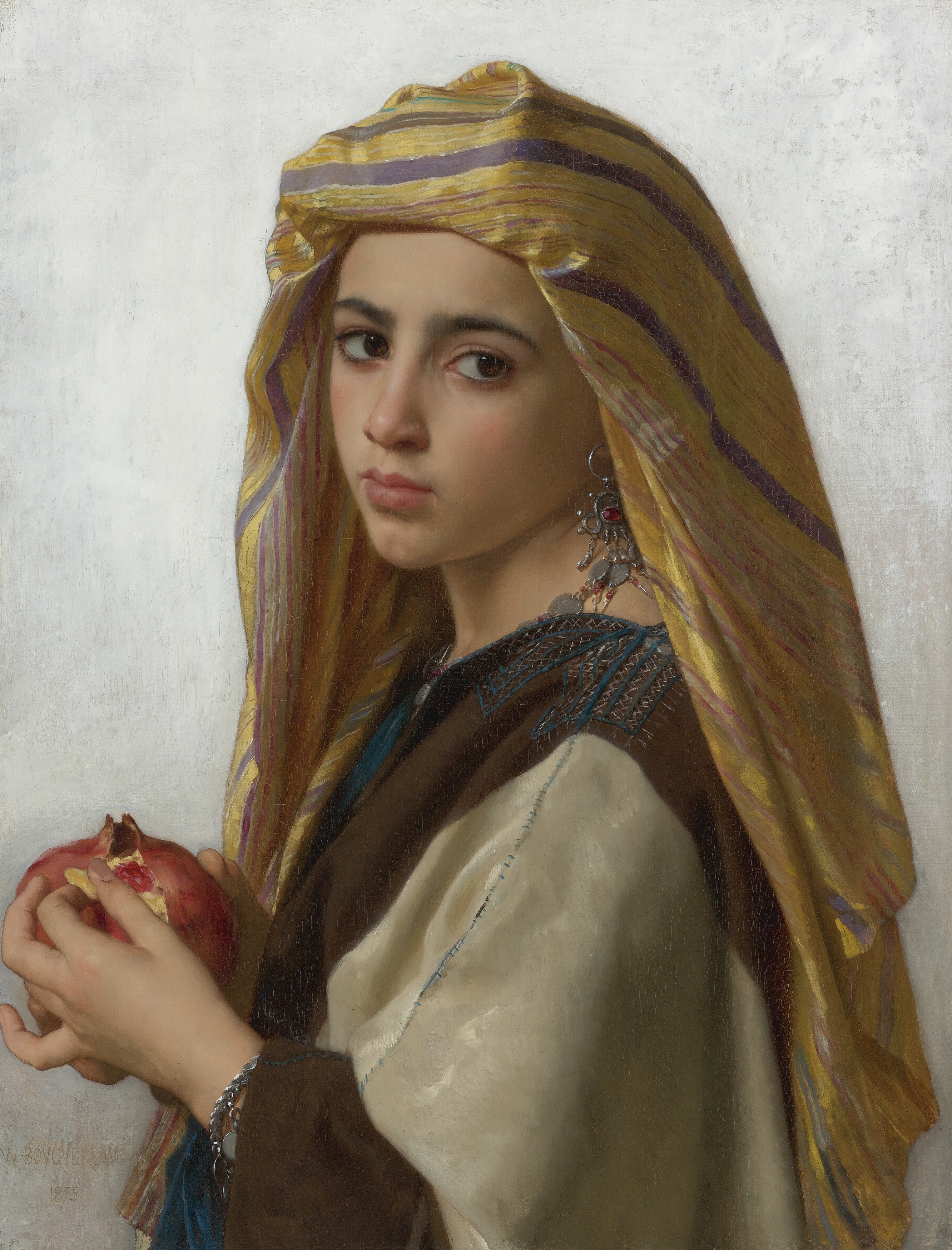
“In the first face of Virgo ascends a virgin girl covered in an old, soft linen cloth, holding a pomegranate in her hand. This is the face for sowing, ploughing, germinating trees, collecting grapes, and a good life. This is its form.”
There is a quality of attention that grief initially destroys and eventually demands back — not the dramatic, crisis-sharpened attention of the early days of loss, which notices everything because everything has become strange, but the quieter, more sustained attention of the person who returns each morning to the same task and makes the small adjustments that will not announce their significance until much later. This is the territory of Virgo I, where the Sun enters Mercury’s most precise and most earthbound domain and finds not an invitation to radiance or sovereign expression but something altogether more useful and less comfortable. The Sun here finds that work, the ordinary and patient work, becomes the channel through which the disruption of life is gradually, and carefully, tended back toward a condition in which growth is once again possible.
The figure who presides here is clothed in old linen and carries a pomegranate — the practical dress of someone who has been in the field, who knows the soil from direct acquaintance, who holds in her hand not a symbol of abundance already achieved but of abundance still contained within its rind. The countless seeds not yet released, the harvest that is present in potential, will require the full sequence of sowing, tending, and patient waiting before they become available in any form the hand can gather. From the oldest sources comes the serpent Zemesdres, put together awry, bearing the Moon’s face on the Sun’s body, irregular and regenerative, a creature renewing itself through the continual shedding of what is no longer serviceable to facilitate the emergence of what grows to replace it.
The mutable earth of this sign does not hold its position like Taurus nor drive through obstacles like Capricorn; it discerns, adjusts, corrects, attending to what is actually present rather than what the plan required. The Sun in Mercury’s domain brings to this discerning attention a purposefulness that mere observation alone cannot sustain — the knowledge that the small correction has a direction, that the daily return to the task represents a forward motion, that the seeds pressed into new ground are not wasted simply because their response is not yet visible. It is precisely this knowledge — practical, unspectacular, and impossible to maintain without having passed through the kind of ordeal that leaves only the ground, the work and the willingness to continue — that this decan offers to the traveller who arrives at it having traversed the arc of Leo’s long fire.
We have already passed through the raw endurance, the great impossible quest, the slow return of appetite after loss. What this face asks now is neither heroic nor visionary. It is smaller than either of those things, and considerably harder: the return to ordinary life. Preparing food. Answering letters that have gone unanswered for too long. Returning to work. Caring for a body that grief has neglected. Relearning the small disciplines that loss made feel irrelevant.
None of these acts will feel proportionate, for they are not proportionate to loss; rather, they are what restoration is actually made of — not the dramatic breakthrough, not the single moment of transformation, but the small seed pressed into ground that grief has broken open and, in breaking, made more ready to receive than before.
The shadow of this decan is the perfectionism that turns cultivation into endless correction — the Mercurial discernment turned against the self, finds the healing insufficient, the progress too slow, or the ground not yet ready. This can be productivity mistaking itself for worth, treating rest as a form of failure and satisfaction as premature. What the serpent Zemesdres offers to this shadow, from its irregular and asymmetrical form, is the reminder that living processes do not conform to perfect design, that the thing put together awry is not broken and that the lunar rhythms of growth and recession do not submit to the solar schedule no matter how purposeful that schedule is. The true harvest of this decan is available only to those who have learned to tend without controlling, to participate without commanding, to return each morning to the work without requiring the work to deliver immediate results.
What you tend with patience tends you in return.

The Harvester becomes the archetype of faithful restoration. The soul learns that renewal is not achieved through sudden revelation but through the humble discipline of tending life day by day. Like the virgin gathering fruits from the earth, we discover how every quiet act of care participates in a greater rhythm of growth. What was once broken is restored not by force, but by the slow and steady whispers of wisdom which nurture life until it is ready to bear fruit once more.
The Thoth Journey Tarot
an oracle for change
Our choices reveal paths to the extraordinary, for out of curiosity comes creativity and from courage is born change……..follow the journey.

The Tarot of Grief
What the soul refuses to hold becomes the door you must walk through. What is buried, buries you, until you carry it home as light…..

Another brilliant concept from the Leu-Grant partnership

Hymns from the Labyrinth of Loss

Leave a Reply